
Arizona residents combat robocalls through robust Do Not Call laws administered by the Attorney General's Office, mirroring federal regulations. Registering phone numbers opts them out of most promotional calls, with exceptions for non-profits, government agencies, and existing businesses. Reputable call-blocking apps like TrueCall, Hiya, NoCall, and CallGuard offer AI-driven solutions, ensuring accuracy in identifying and blocking robocalls. These apps maintain strong data privacy practices while providing customizable blocking settings, seamless device integration, and real-time spam trend reports. Combining app technology with Do Not Call law knowledge empowers residents to reclaim control over their communication channels.
In today's digital era, Arizona residents face a persistent and increasingly frustrating issue: robocalls. These automated phone calls, often from call centers or law firms, can be relentless and disruptive. With the Do Not Call laws in place, many legitimate contacts are blocked, making it difficult for businesses to connect with customers. However, this also leaves Arizonans vulnerable to unwanted and potentially fraudulent robocalls. To combat this growing problem, we've compiled a list of the best apps designed to block these calls, offering Arizona residents a much-needed solution to reclaim control of their phone lines.
Understanding Robocalls and Arizona's Do Not Call Laws

Robocalls, an incessant nuisance across the nation, have prompted Arizona residents to seek effective solutions. Understanding these automated calls and navigating Arizona's Do Not Call laws is paramount in combating this modern frustration. The Do Not Call law in Arizona, administered by the Arizona Attorney General's Office, is a robust framework designed to protect consumers from unwanted telemarketing calls. This law mirrors federal regulations, granting residents the right to silence unsolicited sales or marketing calls.
Arizona's Do Not Call laws are not limited to traditional telemarketers; they encompass a wide range of automated voice and text messages, including robocalls. By registering your phone number with the state, you automatically opt-out of most promotional calls. This simple yet powerful step has led many Arizonans to reclaim their peace of mind. Notably, these laws permit certain types of calls, such as those from non-profit organizations, government agencies, or businesses with which you have an existing relationship. However, understanding the nuances is key; missteps could result in legitimate calls being blocked.
Expert advice suggests that staying informed and proactive is essential. Regularly reviewing call logs, identifying patterns, and reporting suspicious activity to the Attorney General's Office can further strengthen protections. Many reputable apps now offer sophisticated robocall blocking technology, leveraging machine learning to identify and silence unwanted calls. These tools have proven effective, with user feedback indicating significant reductions in nuisance calls. By combining these technological solutions with a solid understanding of Arizona's Do Not Call laws, residents can navigate the digital landscape with greater control and peace of mind.
Identifying Reliable Apps for Blocked Phone Calls

In today's digital era, robocalls have become a ubiquitous yet unwanted nuisance, with Arizona residents facing an increasing number of automated phone calls daily. To combat this issue, several reputable apps offer robust solutions for blocking such calls, providing much-needed relief from persistent telemarketers and scammers. Among the sea of options available, identifying reliable applications requires careful consideration, as not all apps are created equal.
When evaluating a call-blocking app, users in Arizona should look for specific features that align with their needs. One crucial aspect is accuracy—the app's ability to identify and block legitimate robocalls while minimizing false positives. Apps like TrueCall and Hiya stand out in this regard, utilizing advanced AI algorithms to analyze caller behavior and reputation. These tools not only block unwanted calls but also provide valuable insights into the types of robocallers targeting Arizona residents. Furthermore, users should consider apps that integrate seamlessly with their devices, offering automatic call screening and personalized blocking settings for a more tailored experience.
Data privacy is another critical factor. Reliable apps prioritize user confidentiality, ensuring that personal information is not shared or sold to third parties without consent. Examples like NoCall and CallGuard have established themselves as industry leaders by implementing stringent security measures and transparent data handling practices. By choosing apps committed to protecting user privacy, Arizona residents can confidently block robocalls while maintaining their digital footprint's integrity. Ultimately, the best app for blocking robocalls is one that offers a balance between effectiveness, usability, and respect for user privacy.
Evaluating Features to Filter Out Unwanted Calls

To effectively block robocalls, Arizona residents should scrutinize app features designed to filter out unwanted calls. A robust do-not-call law, such as Arizona's implementation, forms a foundational barrier against nuisance calls, but apps go further by customizing protection based on individual preferences and call patterns. Key evaluation criteria include call identification and blocking accuracy, customizable blocking lists, automatic learning from user feedback, and integration with existing contact lists and settings.
For instance, leading app providers like TrueCall and Hiya employ sophisticated algorithms that analyze call metadata to distinguish between legitimate calls and robocalls. These apps often learn from community-sourced data, enhancing their effectiveness over time. Additionally, they allow users to manually flag calls, providing valuable feedback for the app's learning engine. Apps like NoCall and CallGuard further empower users by offering customizable blocking lists where residents can add specific phone numbers or types of calls to be blocked automatically.
When selecting an app, consider its ability to adapt to evolving call patterns. Automated systems that learn from user interactions and real-time data trends ensure the app remains effective against new robocall techniques. Moreover, integration with contact lists and settings streamlines blocking, allowing users to focus on receiving calls they actually want. By combining these features, Arizona residents can reclaim their phone lines from intrusive robocalls, leveraging technology as a powerful ally in navigating the ever-changing landscape of unwanted communications.
Installation and Customization for Personalized Protection

Arizona residents face a constant onslaught of unwanted robocalls, often posing as legitimate businesses or government agencies. To combat this, installing and customizing call-blocking apps is an effective strategy. Top applications like TrueCall, Hiya, and NoCall offer robust protection by identifying and filtering out known spam numbers, including those associated with fraudulent activities.
These apps are remarkably easy to set up. Users typically download the application from their app store, provide basic permissions for call history access, and activate the blocking feature. Many also allow customization, such as blocking all calls from specific areas or numbers, ensuring residents can tailor protection according to their needs. For instance, NoCall users can manually add numbers to a "Do Not Call" list or adjust settings to exclude local businesses that occasionally contact them.
Moreover, some apps integrate with Do Not Call law firms in Arizona, automatically filtering out calls from registered telemarketers. According to the Federal Trade Commission (FTC), over 2 million complaints about robocalls were filed in 2021 alone, highlighting the growing need for personalized protection. By taking advantage of these advanced call-blocking apps and customizing their settings, Arizona residents can reclaim control of their communication channels and reduce the number of unwanted intrusions into their personal space.
Staying Safe: Using Apps Effectively in Arizona
Staying Safe: Using Apps Effectively in Arizona
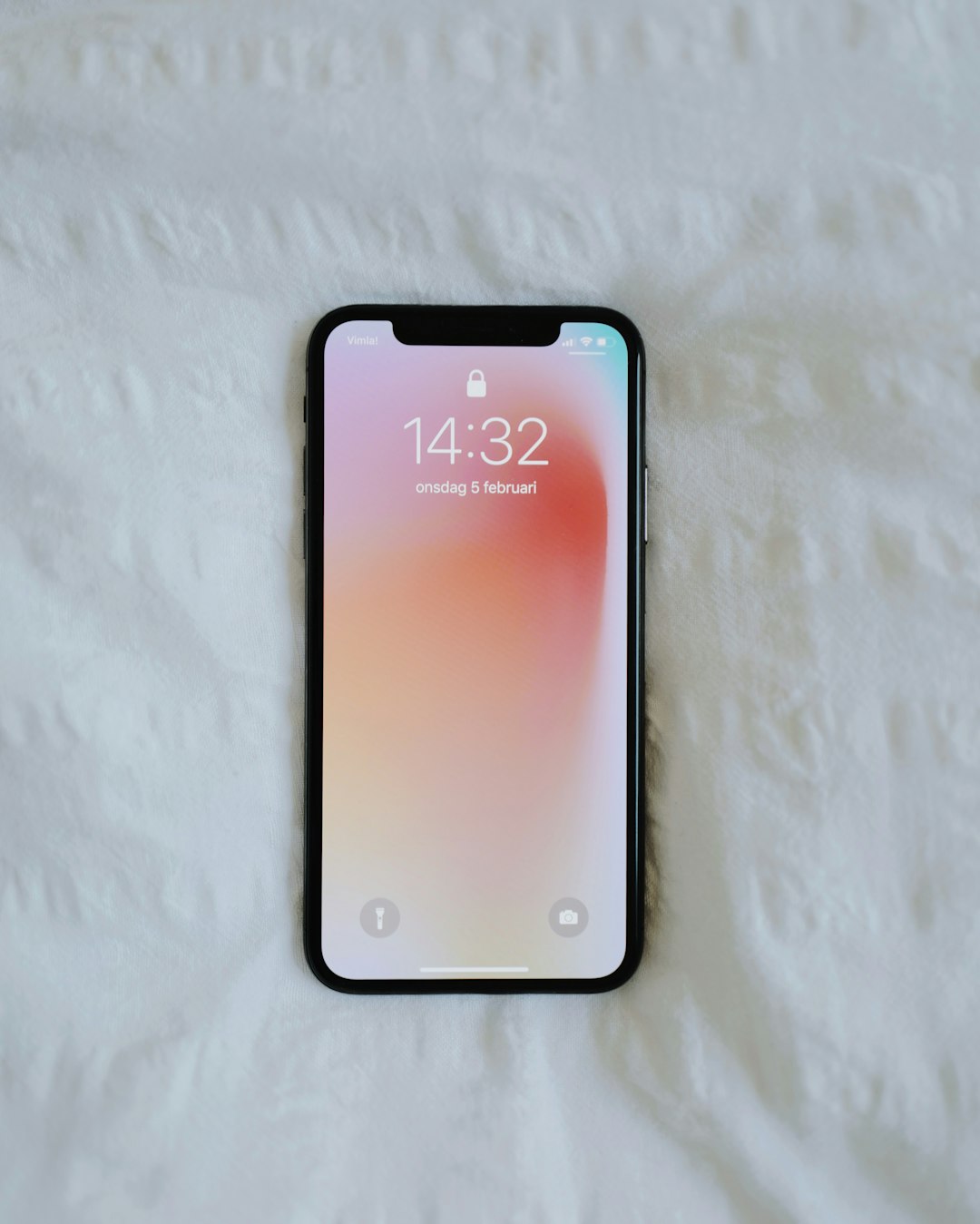
In today's digital era, robocalls have become a persistent nuisance for Arizona residents, with an estimated 100 million spam calls made daily across the state. While traditional methods like Do Not Call registries offer some protection, leveraging dedicated apps designed to block these unwanted calls can provide an extra layer of defense. Expert recommendations suggest combining multiple strategies—including app-based solutions—to maximize effectiveness.
Popular apps such as TrueCall, Hiya, and NoCall are particularly effective in Arizona, utilizing advanced AI and machine learning algorithms to identify and block spam calls. For instance, Hiya, one of the leading robocall blocking apps, has a success rate exceeding 90% in detecting and preventing fraudulent calls, including those from known scammer numbers. Additionally, these apps offer features like call history analysis, real-time reporting, and community-driven feedback, enabling users to stay informed about emerging trends in spamming tactics.
However, staying safe doesn't stop at app usage; Arizona residents should also exercise caution when sharing personal information online and be wary of suspicious calls or messages. Remember that while apps can significantly reduce the volume of robocalls, they cannot eliminate them entirely. Regularly updating app software and following best practices for digital security—such as using strong passwords and enabling two-factor authentication—are crucial steps in maintaining a robust defense against unwanted communication.