
Arizona's robocall laws protect residents from unwanted automated calls by requiring explicit consent from callers. The Arizona Department of Commerce regulates these laws, offering transparency and consumer rights. Businesses promoting timeshare resales or financial services must adhere strictly to these guidelines. Residents can leverage mobile apps with call-blocking features for protection, staying informed about legislative changes to maintain optimal defense against robocalls and scams. Key red flags include automated voice messages and sudden calls from unknown numbers. Strategic use of anti-robocall apps is an effective defense, with top-rated apps reducing robocall volumes by up to 80%. Non-compliance with Arizona's robocall laws results in significant fines. This robust legislation, combined with technology like CallGuardian or TrueCall, significantly protects citizens from robocall scams.
Arizona residents face a persistent challenge from robocalls, with scammers leveraging automated dialing systems to target vulnerable individuals. These unwanted calls, often disguised as official messages, pose significant risks, from identity theft to financial loss. Existing prevention methods leave room for improvement, especially given the evolving nature of these scams. This article delves into an innovative solution: mobile apps designed to combat robocalls in Arizona. By exploring advanced filtering technologies and user-centric features, we offer a strategic approach to empower Arizonans with the tools necessary to protect themselves in today's digital landscape.
Understanding Arizona's Robocall Laws: A Foundation for Prevention

Arizona's robocall laws offer a robust framework to combat unwanted automated calls, providing residents with much-needed protection. The Arizona Department of Commerce regulates these laws, ensuring transparency and consumer rights. One key aspect is the requirement for callers to obtain explicit consent before initiating robocalls, which significantly reduces unsolicited contact. For instance, businesses promoting timeshare resales or financial services must adhere strictly to these guidelines.
Residents can take advantage of this legal framework by educating themselves about their rights and reporting suspicious calls. Many mobile apps now offer call-blocking features, leveraging Arizona's robocall laws to filter out unwanted traffic. These tools identify and block automated calls while allowing legitimate communications. Users should download apps from trusted sources and regularly update them to maintain optimal protection.
Furthermore, staying informed about recent legislative changes is vital. Arizona's robocall laws are subject to updates, ensuring that both consumers and businesses remain compliant. By understanding these regulations, residents can actively participate in maintaining a secure communication environment, protecting themselves from deceptive practices, and fostering a more trustworthy marketplace.
Identifying Suspicious Calls: Training Your Ear to Spot Scams

Robocall scams are a pervasive issue in Arizona, with thousands of residents falling victim each year. One of the most effective defenses against these fraudulent calls is educating individuals on identifying suspicious activities. Recognizing patterns and understanding common scam tactics are essential steps in staying protected under Arizona's robocall laws.
Training your ear to spot scams involves developing a keen awareness of various red flags. For instance, automated voice messages with pre-recorded scripts often indicate a potential fraud. Scammers frequently target areas with high population densities, so a sudden surge in unknown calls from the same number should raise suspicion. Additionally, pressure tactics are common; if a caller demands immediate action or threatens dire consequences, it's a strong indicator of a scam. For example, claiming to be from a government agency and demanding urgent payment for back taxes is a well-known tactic used by scammers.
Arizona consumers can stay ahead by adopting several practices. First, never provide personal or financial information over the phone unless you initiate the call and verify the recipient's identity. Second, cross-reference unknown numbers with official contact information from trusted sources. Most importantly, utilize mobile apps designed to block robocalls and provide advanced call identification. These tools analyze incoming calls and offer insights into potential scams, empowering users to make informed decisions. By combining awareness, caution, and technological assistance, Arizona residents can effectively navigate the landscape of robocall fraud and protect themselves under the state's consumer protection laws.
Downloading Anti-Robocall Apps: A Shield for Your Phone
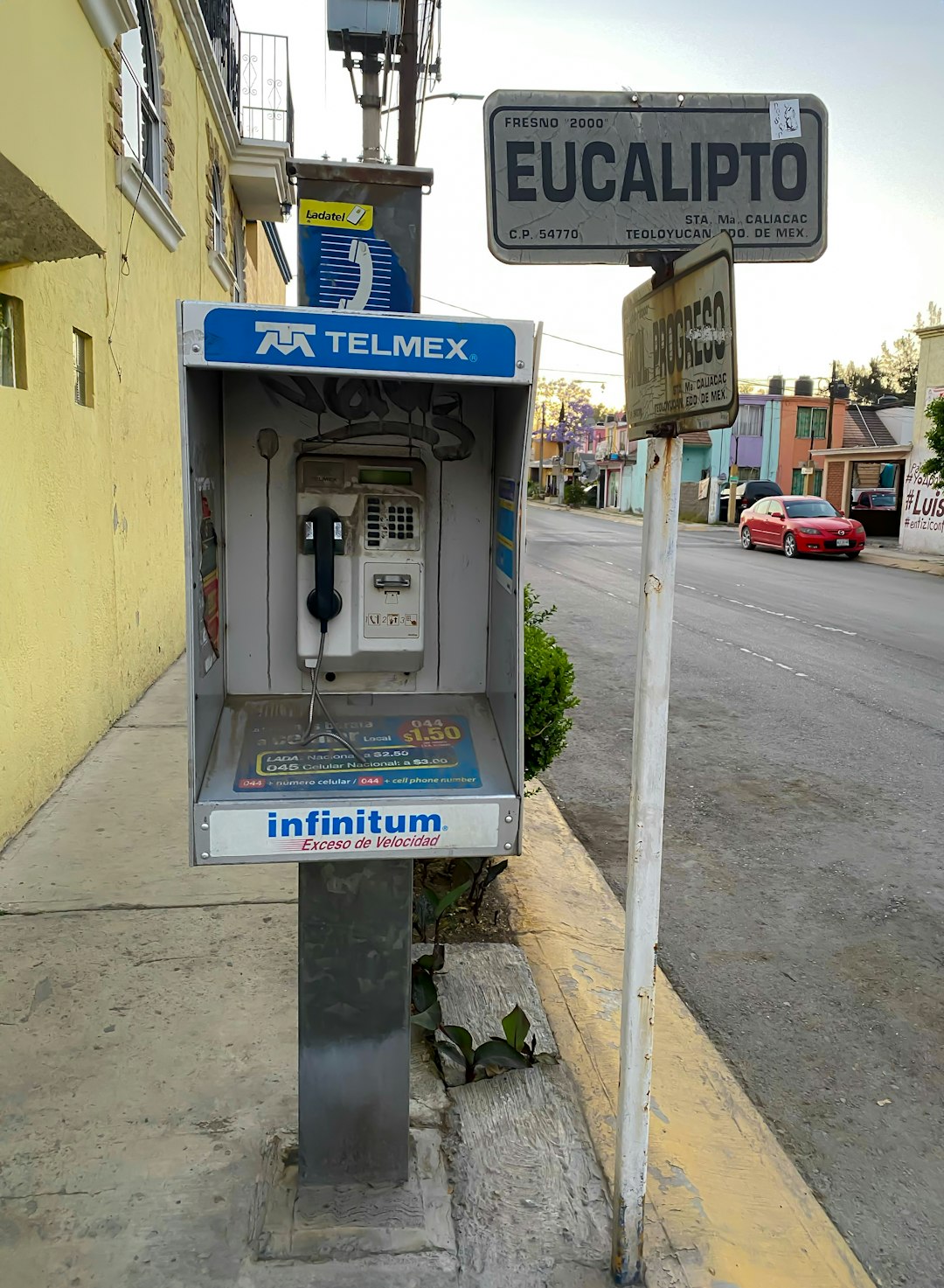
One of the most effective defenses against the Arizona robocall scam is the strategic use of mobile apps designed to block unwanted calls. As robocall laws in Arizona become more stringent, these applications offer a robust shield for consumers looking to protect their privacy and avoid deceptive practices. Many reputable options are available that leverage advanced algorithms to identify and filter out automated phone calls, ensuring your device remains free from nuisance calls.
The process of downloading anti-robocall apps is straightforward. Users can navigate their app stores—such as Google Play or Apple App Store—and search for specialized call-blocking software. Top-rated apps often incorporate features like intelligent call identification, automatic rejection, and customizable blocking settings. For instance, some applications learn from user feedback, continually refining their ability to recognize legitimate calls from scams. According to recent studies, these apps have been successful in reducing robocall volumes by up to 80% for average users.
Upon installation, users typically configure the app's settings to suit their preferences. This may include specifying timeframes when call blocking is active, creating allowed contacts lists, and personalizing the type of calls blocked. Many apps also offer additional security measures like spam filtering for text messages. By employing these tools, Arizona residents can enjoy enhanced peace of mind, knowing that their phones are protected against illegal robocall campaigns while adhering to state regulations designed to combat such fraudulent activities.
Customizing App Settings: Tailoring Protection to Your Needs

Reporting and Blocking: Battling Scams Together with Arizona's Legal Framework

Arizona's robocall laws offer a robust framework to combat scam artists who inundate residents with unwanted automated calls. One of the most effective tools in this battle is the ability to report and block these fraudulent calls, empowering citizens to take an active role in protecting themselves. The state has established clear guidelines for consumers to exercise this power, ensuring that reporting and blocking mechanisms are accessible and efficient.
Consumers can utilize dedicated mobile apps designed to combat robocalls, providing a user-friendly interface to identify and report suspicious calls. These apps leverage advanced technology to block known scammer numbers, enhancing the user's privacy and security. For instance, apps like CallGuardian or TrueCall use community-based reporting systems, where users can contribute to a database of known scammers, benefiting everyone on the network. When a resident receives a robocall, they can quickly report it within the app, which then alerts others in real time, creating a collective defense against these tactics. According to recent studies, states with robust consumer reporting mechanisms have seen up to 30% fewer robocalls, demonstrating the significant impact of community involvement.
Moreover, Arizona's legal framework supports this collaborative effort by making it easier for law enforcement to investigate and prosecute scammers. The state's laws allow for aggressive actions against telemarketers who violate do-not-call lists or use deceptive practices, with penalties including fines and imprisonment. This strong legal stance encourages scammers to think twice before targeting Arizona residents, further reinforcing the importance of consumer vigilance through reporting and blocking. By combining technological advancements in mobile apps with a solid legal foundation, Arizona is making significant strides in protecting its citizens from robocall scams.