
Robocall Lawyers Arizona specialize in navigating complex regulations surrounding automated calls, ensuring businesses comply with the Telephone Consumer Protection Act (TCPA). They offer strategic guidance on consent requirements, do-not-call registries, and mitigating legal risks. By combining technological solutions like AI call screening with legal advocacy, these experts create a secure communication environment for landline users, preventing spam, phishing, and scams. Their expertise is demonstrated by successfully preventing significant fines for a national retail chain.
In today’s digital age, Arizona residents, especially those with landlines, face a persistent problem: robocalls. These automated calls, often from unknown numbers, can be disruptive and intrusive. The volume of robocalls is staggering, and while many solutions exist, effectively blocking them without blocking legitimate communication remains challenging. This article delves into the world of robocall technology, specifically exploring how robocall apps work for Arizona landlines. By understanding these mechanisms, we can better navigate and combat unwanted calls, providing relief to residents and potentially empowering them to engage with trusted robocall lawyers in Arizona when necessary.
Understanding Robocall Technology for Arizona Landlines
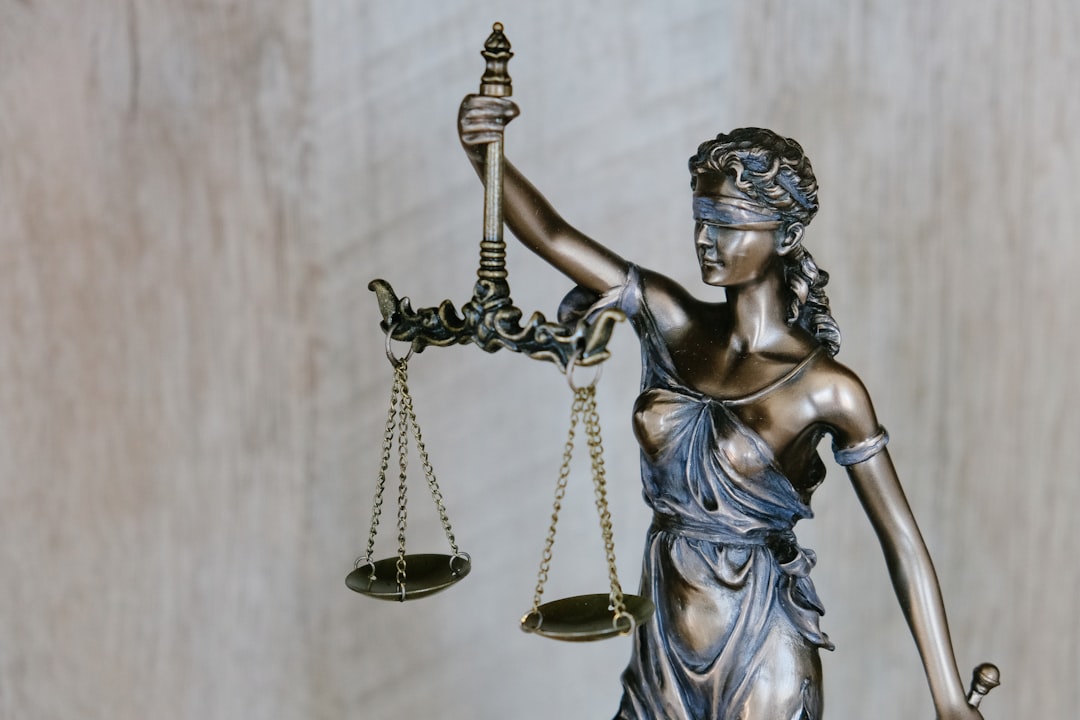
Robocall technology has become a ubiquitous aspect of modern communication, particularly for Arizona landlines. These automated calls, often characterized by pre-recorded messages and immediate disconnects, are designed to reach vast audiences efficiently. Robocall Lawyers Arizona have been at the forefront of navigating this evolving landscape, helping residents protect their rights against unwanted or fraudulent calls. Understanding the mechanics behind robocalls is crucial for both consumers and legal professionals seeking to mitigate their impact.
At its core, robocall technology relies on advanced automation software that allows businesses to dial thousands of numbers simultaneously. These systems can be programmed to deliver personalized messages based on various data points, including demographics or past purchasing behavior. For example, a credit card company might use robocalls to notify customers about potential security breaches or promote new services. However, the same technology can also be exploited for malicious purposes, leading to spam calls, phishing attempts, and even scams targeting vulnerable Arizona residents.
The effectiveness of robocall systems lies in their ability to quickly transmit information on a large scale. According to recent studies, up to 40% of incoming calls in certain urban areas are now robocalls. This surge has prompted the Federal Communications Commission (FCC) to implement stricter regulations, such as the Telephone Consumer Protection Act (TCPA), to protect consumers from unwanted calls. Robocall Lawyers Arizona play a vital role in interpreting and enforcing these rules, ensuring that businesses adhere to ethical practices and respecting the privacy of landline users. By staying abreast of technological advancements and legal developments, experts can offer strategic guidance to both businesses seeking legitimate communication tools and individuals aiming to safeguard their peace of mind from intrusive robocalls.
Legal Considerations for Robocall Apps in Arizona

In Arizona, as in many states across the US, robocall technology has sparked significant debates due to its potential for misuse, raising critical legal considerations for businesses deploying these systems. The Telephone Consumer Protection Act (TCPA) is a pivotal federal law that governs automated calls, including robocalls, and gives consumers substantial rights against unsolicited communication. Arizona’s courts have been active in interpreting the TCPA, with cases like Mader v. United States (2017) clarifying the law’s reach into state boundaries, emphasizing its nationwide application. This federal legislation restricts businesses from placing automated calls to telephone numbers assigned to wireless services without prior express consent and further regulates prerecorded messages.
Robocall lawyers Arizona firms have played a crucial role in guiding businesses through this complex legal terrain. They assist companies in obtaining the necessary consents, ensuring compliance with do-not-call registries, and crafting communication strategies that align with TCPA guidelines. For instance, they help in drafting informed consent forms and implementing robust opt-out mechanisms to respect consumer choices. Moreover, these lawyers advise on the consequences of non-compliance, which can include substantial monetary penalties and class-action lawsuits, as seen in recent settlements exceeding millions of dollars.
Practical considerations for businesses deploying robocall apps include regular reviews of legal updates and seeking expert advice from robocall lawyers Arizona to mitigate risks. Staying informed about regulatory changes is essential, given the evolving nature of consumer protection laws. Businesses should also implement internal policies that prioritize ethical marketing practices and respect for individual privacy rights. By adhering to these guidelines, companies can effectively utilize robocall technology while navigating the legal complexities, ensuring customer trust, and avoiding costly legal repercussions.
Implementing Anti-Robocall Measures: A Step-by-Step Guide

Robocall apps have become a ubiquitous feature of modern communication, impacting Arizona landlines with both convenience and frustration. While automated calls offer businesses efficient marketing strategies, they also present significant challenges for residents deluged with unwanted messages. This is where robocall lawyers Arizona step in, not only to advocate for consumers but also to guide businesses on navigating the legal landscape surrounding these practices. Implementing effective anti-robocall measures involves a strategic approach that combines technological solutions and legal safeguards.
The first step in this process involves identifying and categorizing call types to pinpoint legitimate communications from fraudulent ones. Arizona residents should regularly review their call history, noting suspicious patterns or frequent unknown numbers. This awareness empowers individuals to file complaints with the Federal Trade Commission (FTC) and state regulatory bodies, which are crucial for tracking robocall trends and identifying recurring offenders. Robocall lawyers Arizona often collaborate with these agencies to ensure consumer rights are protected and abusers face legal repercussions.
Next, businesses must adopt robust call screening and blocking technologies. Advanced phone systems equipped with artificial intelligence (AI) can learn patterns and detect automated calls in real time, allowing for automatic rejections or forwarding to dedicated robocall management teams. Additionally, Arizona companies should implement opt-in/opt-out mechanisms, ensuring customers explicitly consent to receive marketing calls. This not only respects consumer privacy but also creates a legal framework that protects businesses from accidental violators of do-not-call lists. Regular system audits and updates are essential to stay ahead of evolving robocall tactics, with expert legal counsel providing guidance on the most effective strategies.
Legal repercussions for persistent robocallers can include substantial fines and litigation. Arizona robocall lawyers play a vital role in educating businesses about these consequences and advocating for stringent compliance measures. By combining technological deterrents with legal expertise, individuals and organizations can collaboratively mitigate the robocall crisis, fostering a more secure and peaceful communication environment for Arizona landline users.
The Role of Robocall Lawyers Arizona in Navigating Regulations

Robocall apps have become a ubiquitous part of modern communication, particularly for Arizona landlines. These automated calling systems, often used by businesses and organizations, are designed to deliver targeted messages en masse. However, navigating the complex regulatory landscape surrounding robocalls is no simple task. In Arizona, where privacy laws and consumer protection regulations are stringent, the role of robocall lawyers Arizona is pivotal in ensuring compliance and minimizing legal repercussions.
Robocall lawyers Arizona specialize in guiding clients through the intricate web of rules and restrictions governing automated calls. The Telephone Consumer Protection Act (TCPA) serves as the cornerstone of these regulations, mandating explicit consent for non-emergency robocalls. Lawyers in this field help businesses ascertain legitimate consent, implement best practices to avoid accidental violations, and craft strategies to mitigate risks associated with call campaigns. For instance, they may advise on proper call routing systems, dual opt-in mechanisms, and comprehensive consumer privacy policies.
Moreover, these experts stay abreast of state-specific variations in robocall regulations, such as Arizona’s requirement for opt-out options in addition to opt-ins. They help clients understand the nuances of these laws, ensuring compliance at every stage of call marketing efforts. In a recent case study, a national retail chain faced significant fines due to missteps in its robocall campaign. Prompt intervention by robocall lawyers Arizona corrected these issues, allowing the company to continue operations without further legal complications. This demonstrates the tangible value of professional guidance in an increasingly regulated robocall environment.