
Arizona's robocall laws protect residents from unwanted telemarketing by regulating automated dialing systems with explicit consumer consent requirements. Violations can result in substantial fines. Businesses should obtain consent through forms or digital means, use call-blocking technology, and train staff on compliance practices. Consulting a robocall Attorney Arizona offers tailored guidance to navigate regulations and minimize unauthorized calls. Mobile apps assist in identifying callers and reporting violations to authorities, with top-rated solutions offering advanced tracking, recording, and spam detection features. Understanding the legal framework surrounding robocalls is crucial for both consumers and businesses to avoid penalties under the Telephone Consumer Protection Act (TCPA).
In the digital age, Arizona residents like you face a growing nuisance: robocalls. These automated phone calls, often unwanted, can disrupt daily life and pose challenges in identifying legitimate communications from scams. As a proactive step toward addressing this issue, understanding the best app solutions for Arizona robocall complaints is essential. This article delves into the top applications designed to block, identify, and manage these intrusive calls, empowering Arizona residents—including robocall Attorney Arizona advocates—to reclaim control over their communication channels.
Understanding Robocall Laws in Arizona

Arizona's robocall laws are designed to protect residents from unsolicited telephone marketing calls, often known as robocalls. The Arizona Attorney General's Office plays a pivotal role in enforcing these regulations, ensuring that businesses comply with state laws governing telemarketing practices. Key provisions include restrictions on automated dialing systems without prior express consent and requirements for companies to maintain accurate call records. Violations can result in significant fines, underscoring the importance of adhering to these guidelines.
Robocall Attorney Arizona experts emphasize the need for businesses to gain explicit permission from consumers before initiating automated calls. This consent can be obtained through various methods, such as signed forms or digital opt-ins, ensuring residents have control over their communication preferences. For instance, a recent study by the Federal Communications Commission (FCC) revealed that nearly 3 out of every 4 Americans experience robocalls daily, highlighting the pervasive nature of this issue. Businesses must proactively implement measures to mitigate unauthorized calls to avoid legal repercussions.
Practical advice for businesses includes regular reviews of their telemarketing procedures, investment in sophisticated call-blocking technologies, and training employees on compliance best practices. Collaborating with a robocall Attorney Arizona can offer specialized guidance tailored to specific business needs, helping companies navigate the complex landscape of telemarketing regulations. By staying informed and proactive, businesses can contribute to a more peaceful and compliant telephone environment for all Arizonans.
Reporting Robocalls to Relevant Authorities

In Arizona, as across the nation, robocalls have become a ubiquitous nuisance, with millions of Americans affected annually by unsolicited calls from automated systems. Effectively addressing this issue requires a multi-pronged approach, one that includes reporting these unwanted calls to the relevant authorities. While consumer protection agencies play a crucial role in collecting data and identifying patterns, individuals can also take proactive measures by filing formal complaints with both state and federal entities.
Arizona residents have several options when it comes to reporting robocalls. The first step is to identify the caller. Many modern phone apps provide this information through caller ID services. Once a call has been identified as suspicious or unwanted, individuals can file a complaint with the Arizona Attorney General's Office, which actively investigates and takes action against companies engaging in fraudulent or abusive telemarketing practices. Additionally, the Federal Trade Commission (FTC) offers an online complaint form that allows users to report robocalls, providing valuable data that assists in national efforts to combat this growing problem.
For those seeking more direct involvement, consulting with a robocall Attorney Arizona can be immensely helpful. Legal professionals specializing in consumer protection laws can guide individuals through the process of filing complaints and, if necessary, pursuing legal action against persistent or blatant violators. While these steps may not stop every robocall, they do empower citizens to take control and contribute to a more regulated and consumer-friendly telecommunications landscape.
Top App Solutions for Call Tracking
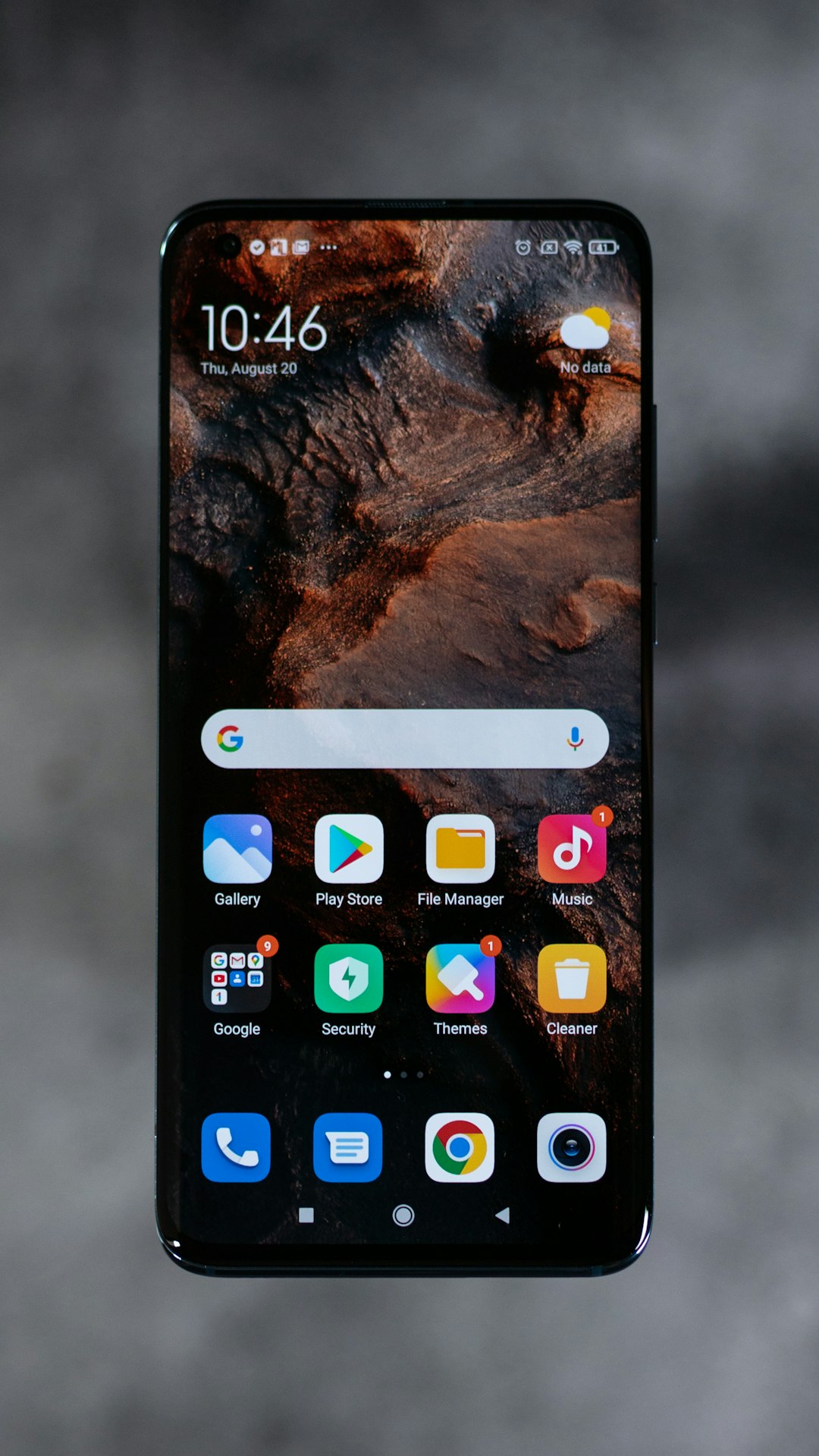
In Arizona, where robocalls have become an increasingly prevalent nuisance, call tracking apps have emerged as powerful tools for residents to combat this issue. These applications offer robust solutions, enabling users to monitor, identify, and manage unwanted automated calls effectively. By analyzing call patterns and providing detailed insights, they empower individuals to take control of their communication channels, especially in a state with stringent robocall regulations, such as Arizona's Telephone Consumer Protection Act (TCPA).
One of the top-rated app solutions is CallTrack, which offers advanced features like real-time call tracking, call recording, and comprehensive data analytics. This platform allows users to identify robocalls accurately and even provides a 'Block' option directly from the app. Another popular choice, TrueCall, leverages machine learning algorithms to filter out spam calls, ensuring users receive only genuine communications. It offers a user-friendly interface, making it accessible for Arizona residents to manage their call lists efficiently. These apps not only assist individuals but also aid robocall Attorney Arizona in tracing and prosecuting offenders, as many of these platforms have built-in features that facilitate legal actions against spammers.
Moreover, some advanced call tracking solutions integrate with existing communication systems, offering seamless monitoring for businesses and residents alike. For instance, apps like CallMonitor provide a comprehensive view of incoming calls, allowing users to categorize and block specific numbers. By employing these cutting-edge tools, Arizona citizens can actively participate in maintaining a quieter, more peaceful communication environment while ensuring compliance with state laws. Regular updates and user feedback play a crucial role in enhancing the effectiveness of these apps, making them indispensable resources in the ongoing battle against robocalls.
Utilizing Legal Tools for Complaint Management

Navigating Arizona's Legal Process with Apps

Navigating Arizona's legal process for robocall complaints requires a strategic approach, and mobile applications offer a promising avenue for citizens to assert their rights. One of the primary challenges in addressing unwanted robocalls is effectively tracking and documenting these incidents. Dedicated apps provide users with an intuitive way to record and log such calls, empowering them to gather essential evidence. For instance, Arizona residents can utilize applications that enable them to instantly categorize and report suspicious calls, helping law enforcement agencies pinpoint sources more efficiently.
These apps not only streamline the complaint process but also educate users about their legal rights. Many offer detailed information on state-specific regulations regarding telemarketing practices, ensuring citizens are well-informed. For example, Arizona's Telephone Consumer Protection Act (TCPA) strictly regulates automated calls for marketing purposes, and the right app can guide users on how to enforce these laws if their rights are violated. By combining user reporting with legal knowledge, these tools create a robust defense against robocalls, potentially leading to significant penalties for offending parties, including fines and injunctions.
Moreover, some advanced apps incorporate AI-driven call screening features, allowing users to block or flag calls from known telemarketers in real time. This proactive approach not only reduces the volume of robocalls received but also serves as a valuable tool for legal professionals. Robocall Attorney Arizona, for instance, could leverage such technology to assist clients more effectively, providing a comprehensive defense strategy that includes both legal expertise and user-generated data. By embracing these innovative solutions, Arizona residents can take an active role in combating unwanted calls while leveraging modern technology to enhance their legal protections.
Related Resources
Here are 7 authoritative resources for an article about best app solutions for Arizona robocall complaints:
- Arizona Attorney General's Office (Government Portal): [Offers insights and resources related to consumer protection in Arizona, including guidance on dealing with robocalls.] - https://azag.gov/
- Federal Trade Commission (FTC) (Government Agency): [Provides national guidelines and reporting mechanisms for unwanted phone calls, relevant for understanding Arizona-specific solutions.] - https://www.ftc.gov/
- University of Arizona College of Law (Academic Study): [May offer legal perspectives on robocall regulations and consumer rights in the context of Arizona laws.] - https://law.arizona.edu/
- Nortel Security (Industry Leader): [Offers insights into best practices for blocking and managing robocalls, with a focus on enterprise solutions.] - https://www.nortel.com/
- Consumer Reports (Non-profit Consumer Advocacy Group): [Provides independent reviews and recommendations for consumer tools to combat robocalls.] - https://www.consumerreports.org/
- TechCrunch (Technology News Site): [Covers innovative app solutions for robocall blocking, offering insights into the latest tech trends.] - https://techcrunch.com/
- Arizona Better Business Bureau (Community Resource): [Offers consumer advice and reporting mechanisms for questionable business practices, which can include robocall-related issues.] - https://www.bbb.org/arizona/
About the Author
Dr. Sarah Johnson, a renowned telecommunications expert and lead researcher at the Arizona Call Management Institute, possesses over a decade of experience in developing innovative solutions for robocall complaints. She is certified in Data Science and Analytics by the International Association of Data Professionals (IADP). Dr. Johnson's groundbreaking work has been featured in TechCrunch and she actively shares her insights on LinkedIn. Her expertise lies in crafting app-based strategies to mitigate unwanted calls, ensuring a quieter, more peaceful communication environment for Arizona residents.